
Blogs

Traveling internationally with cremated remains requires careful preparation. Learn how airline policies, airport security, shipping rules, documentation, urn materials, and destination-country requirements affect the journey, and discover practical steps that can help families avoid delays while honoring a loved one with dignity.
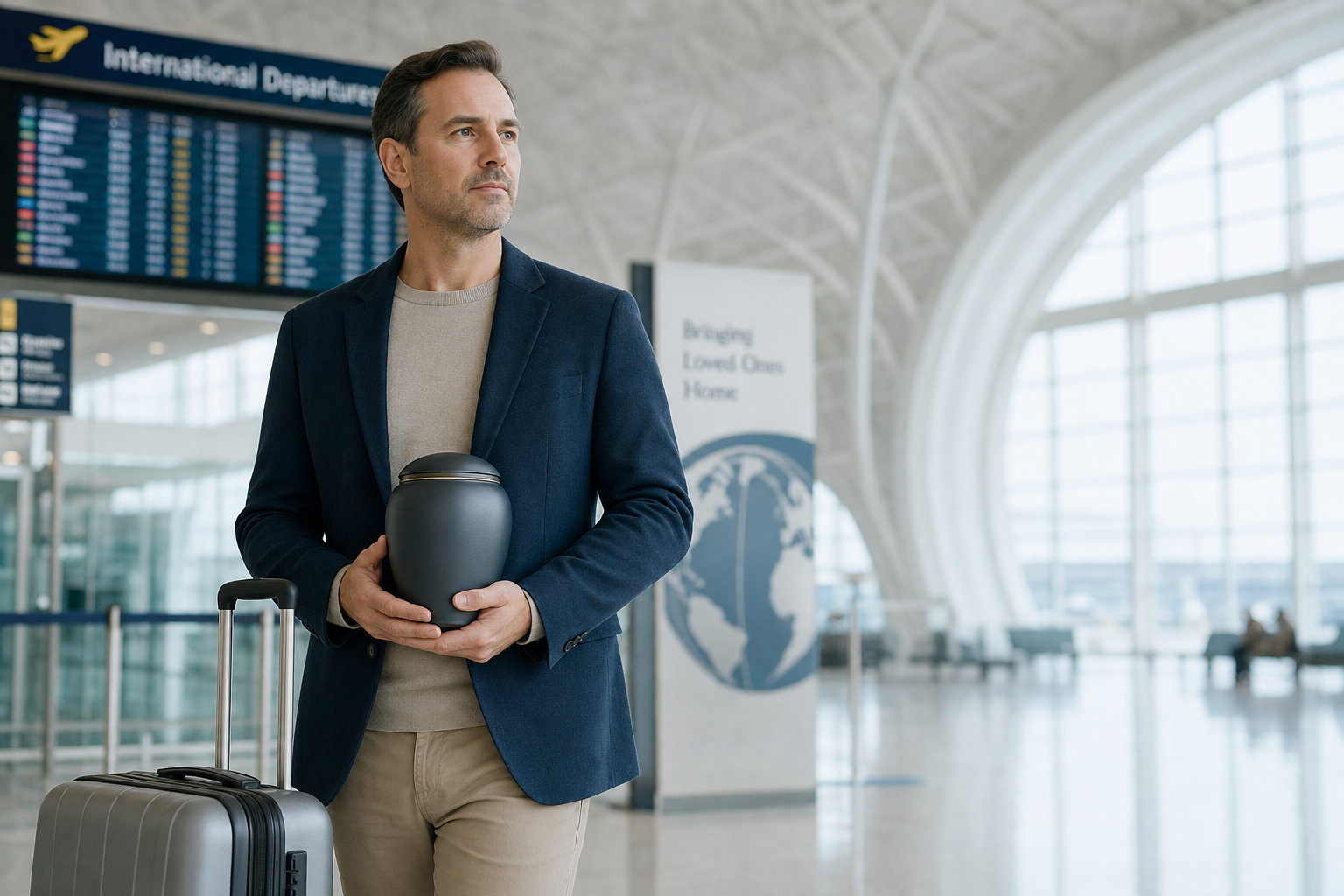
Traveling internationally with cremated remains involves more than placing an urn in carry-on luggage. Families must consider airline policies, security screening, destination-country rules, transit requirements, and supporting documents. This guide explains the key steps for transporting cremated remains respectfully and with fewer avoidable delays.

Embalming is not automatically required for every international repatriation. Requirements can depend on the destination country, local authorities, airline, cause of death, and whether the remains are being transported for burial or cremation. This guide explains what families should know before making arrangements.
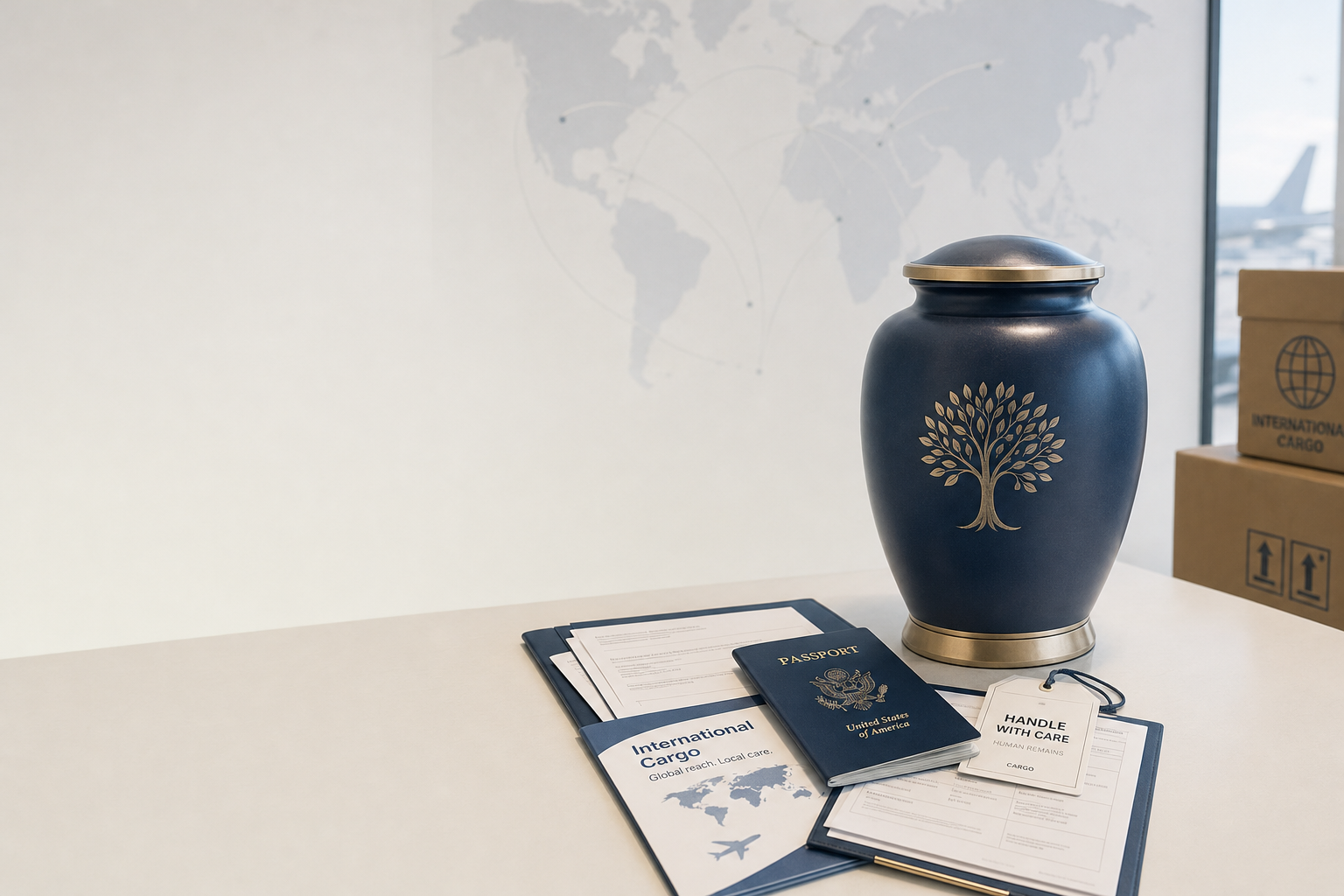
Internationally transporting cremated remains requires careful planning. Families may need to coordinate documents, urn requirements, airline or postal rules, customs procedures, and destination-country regulations. This guide explains the main options and practical considerations for moving ashes respectfully and legally across borders.

Choosing an international repatriation provider is an important decision during an emotionally difficult time. This guide explains what families should look for, which questions to ask, how pricing should be presented, and why experience with airlines, consulates, documentation, and destination coordination matters.

When a passenger dies during an international cruise, families may face unfamiliar authorities, port requirements, documentation, and transportation decisions. This guide explains the main stages of cruise ship death repatriation, what can cause delays, and how families can coordinate with consular officials, funeral homes, insurers, and the cruise line.

When a family member dies in another country, children may experience grief alongside confusion, separation, and disrupted routines. This guide explains how parents and caregivers can talk honestly about death, offer reassurance, involve children in appropriate memorial decisions, and recognize when professional support may be needed.

Traveling internationally with cremated remains requires careful planning. Learn how airline policies, airport screening, destination-country rules, documentation, and urn selection can affect the journey home.

Returning cremated remains across international borders involves more than choosing an urn and booking transportation. Families must consider airline rules, customs paperwork, destination-country restrictions, secure packaging, and whether the ashes will be carried personally or shipped through an approved service.

Traveling internationally with cremated remains can be emotionally difficult and administratively complex. This guide explains the documents, container requirements, airline considerations, customs procedures, and country-specific rules families should review before beginning the journey.

Traveling internationally with cremated remains requires careful planning, suitable packaging, and documentation. This guide explains airline screening, customs considerations, shipping options, and the questions families should ask before bringing a loved one’s ashes across borders.

Shipping cremated remains across international borders involves more than selecting an urn and booking transportation. Families must consider destination-country rules, airline or postal requirements, customs documentation, packaging, and delivery arrangements. This guide explains the main options and practical steps for arranging respectful, secure international transport.

Preparing human remains for international air transport involves careful coordination between funeral homes, authorities, airlines, and the receiving country. Families must understand why embalming, sealed containers, documentation, and airline requirements matter—and why procedures can differ depending on the countries involved and the cause of death.

Embalming can be an important part of preparing human remains for international transportation, but requirements differ by country, airline, and cause of death. This guide explains why embalming may be requested, how it relates to documentation and preservation, and what families should ask before arrangements begin.

When a loved one dies overseas, recovering their belongings can be an emotional and complicated responsibility. This guide explains how families can organize personal effects, work with local authorities, prepare an inventory, manage customs requirements, and safely return meaningful items home.

Transporting cremated remains across international borders involves more than placing an urn in luggage. Families must understand airline policies, airport screening, export and import requirements, documentation, and safe packaging. This guide explains the main steps, common challenges, and practical ways to prepare for a respectful and organized journey.

Travel insurance may include repatriation of remains coverage, but policy limits, exclusions, and claim procedures vary. This guide explains what to look for, how assistance services may help, which expenses may remain the family’s responsibility, and what steps to take when a death occurs abroad.

Travel insurance may include repatriation of remains coverage, but protection varies by policy, destination, and circumstances. Learn what this benefit may pay for, what exclusions to review, and what families should do when a death occurs abroad.

Traveling internationally with cremated remains requires careful planning. Families may need to confirm airline policies, choose an inspection-friendly urn, prepare death and cremation documents, and meet the rules of both the departure and destination countries. This guide explains the key considerations before carrying or shipping ashes across borders.

Returning cremated remains across international borders can feel overwhelming during an already difficult time. This guide explains the key documents, urn requirements, airline considerations, customs procedures, and planning steps families should understand before transporting ashes home or to another country.

When a loved one dies abroad, families may need to choose between transporting the body home or arranging cremation before returning the ashes. This guide explains how embalming, cremation, documentation, health regulations, airline requirements, and personal wishes can affect that important decision.

When a loved one dies overseas, recovering clothing, electronics, documents, jewelry, and other personal belongings can become an unexpected challenge. This guide explains how belongings may be handled, when authorities can retain them, what families should prepare, and why local laws and estate procedures matter.

Transporting cremated ashes across international borders can feel overwhelming during an already difficult time. This guide explains the key documents, container considerations, airline coordination, customs requirements, and practical steps families should understand before traveling or arranging shipment.

Returning cremated remains across international borders can be simpler than transporting a body, but families still need to understand airline policies, urn requirements, customs procedures, and destination-country rules. This guide explains how to prepare, which documents may be requested, and how careful planning can make an emotional journey more manageable.

Taking cremated remains across an international border involves more than placing an urn in luggage. Families may need to coordinate with the airline, airport security, funeral professionals, consulates, and destination authorities. This guide explains how to prepare documents, choose an appropriate container, plan the journey, and reduce avoidable stress during an emotional time.

When a loved one dies abroad, arranging the return of personal belongings can feel overwhelming. This guide explains how families can identify, inventory, document, ship, and receive personal effects while respecting local laws, estate requirements, customs rules, and the emotional importance of each item.
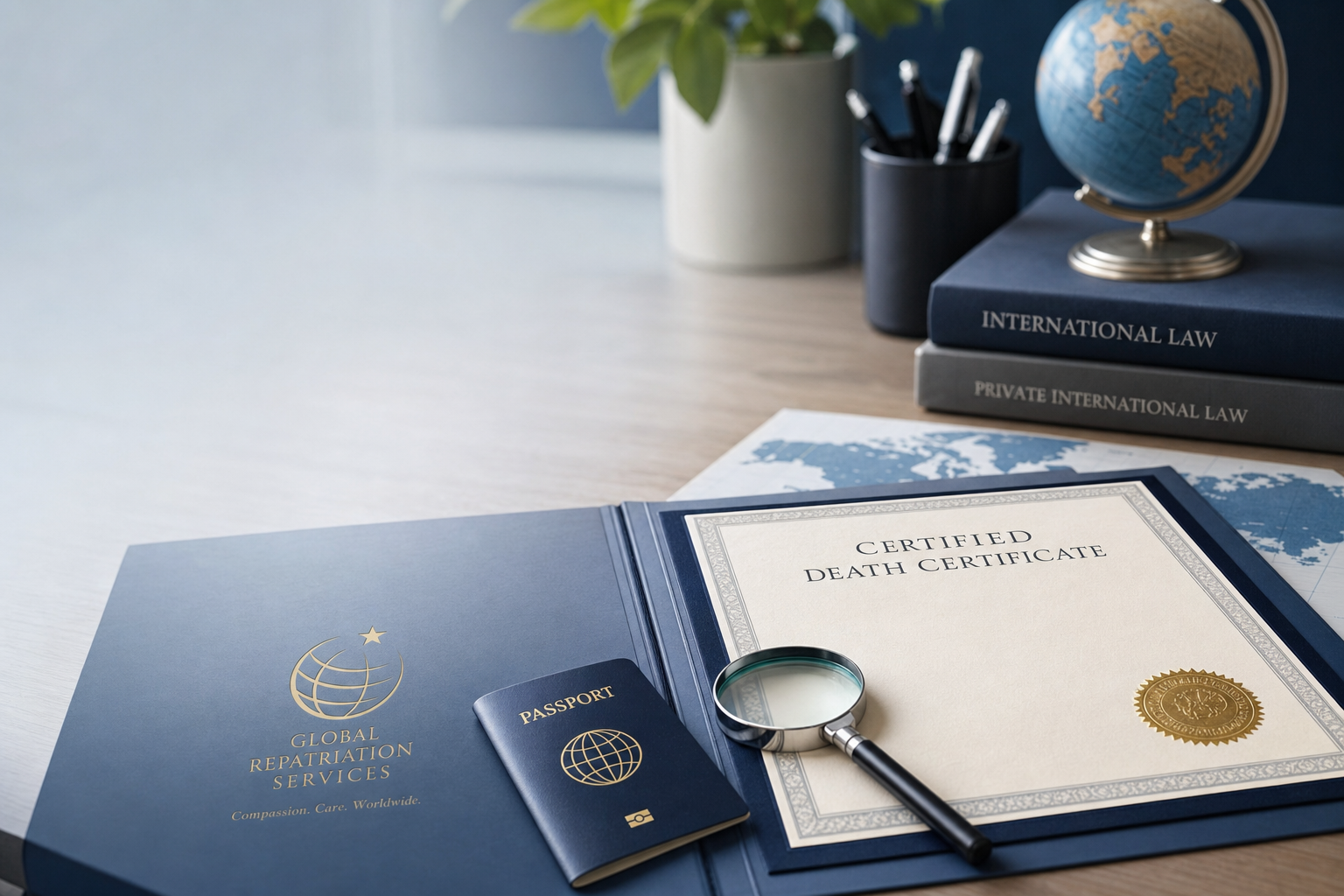
When a death certificate must be used in another country, families may need certified copies, an apostille or authentication certificate, and an approved translation. This guide explains the key steps, common mistakes, and questions to ask before submitting documents for estate matters, insurance claims, legal proceedings, or international repatriation arrangements.

Transporting cremated remains across international borders requires careful planning, suitable packaging, airline coordination, and the right documents. This guide explains how families can prepare an urn for air travel, understand airport screening, confirm destination-country requirements, and avoid common delays while honoring their loved one with care and dignity.

Embalming and preparation may be required when human remains travel across international borders. Learn how preparation supports safe transportation, why requirements differ, and which questions families should ask funeral professionals before repatriation begins.

Traveling internationally with cremated remains requires careful preparation. Families may need to coordinate documents, destination-country rules, airline requirements, TSA screening, and secure packaging. This guide explains the practical steps to take before traveling so cremated remains can be transported respectfully and with fewer avoidable delays.

Choosing the right funeral home is an important first step when a loved one must be transported across borders. Learn which questions to ask about experience, documentation, pricing, communication, and coordination before making arrangements.
Most people never expect to learn how international repatriation of human remains works. It usually comes up during a difficult […]

Choosing to bring a loved one back to India is often a deeply personal decision. For many families, it is […]

Handling a loss is never simple. When it happens across countries, the situation becomes more demanding. Families are often left […]

Losing someone is already difficult. When it happens in another country, the situation becomes more complex in ways most people […]
How do we get started?
Getting started is simple. You can call or message someone on our team.
There is no obligation to proceed immediately. We are here to answer questions, explain the process, and help you decide what comes next.