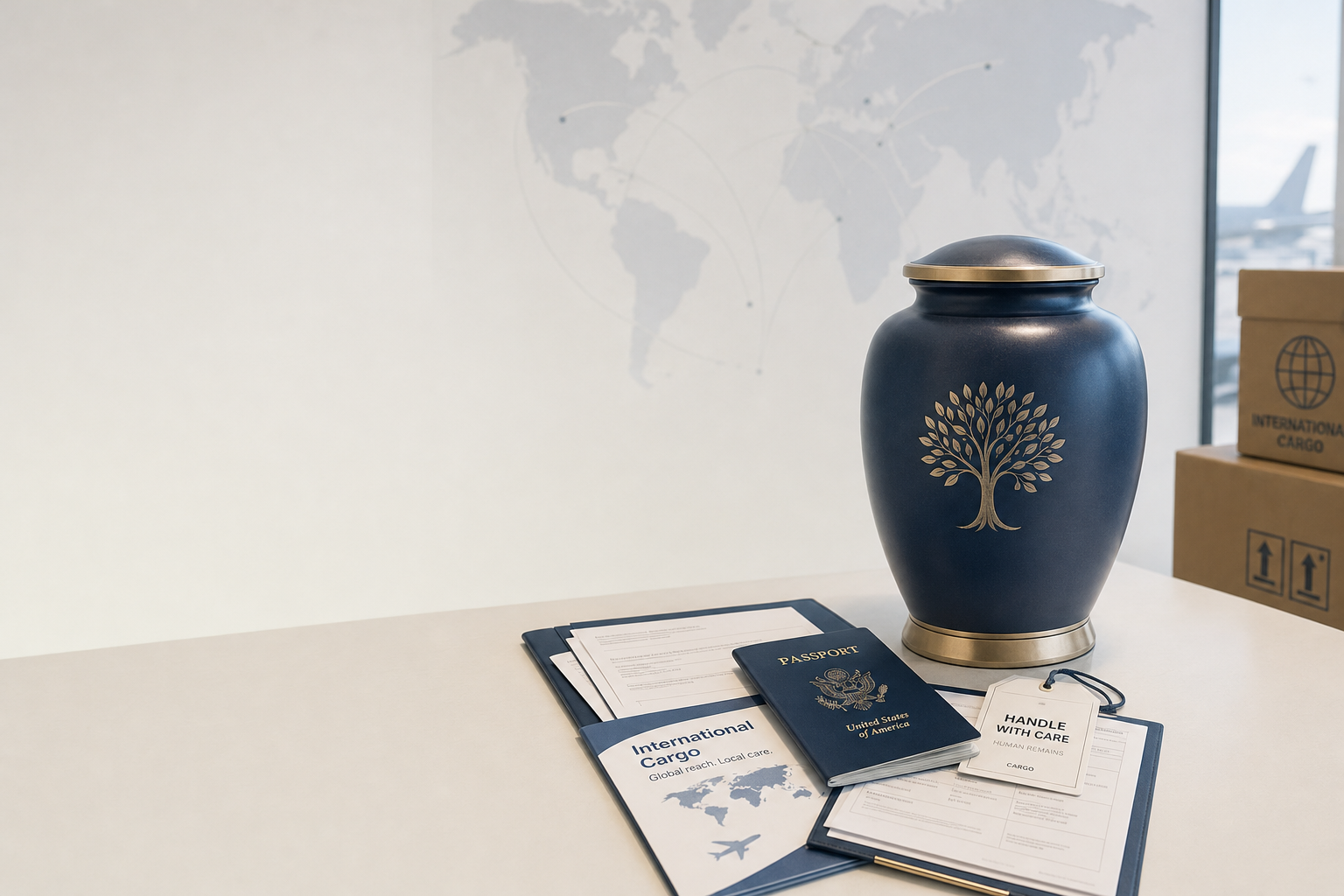
Most people never expect to learn how international repatriation of human remains works. It usually comes up during a difficult moment, when families are trying to make decisions quickly while dealing with loss. The process itself is structured, but from the outside, it can feel complicated.
Different countries have different rules, and every step must be handled carefully. When India is the destination, additional approvals and documentation must be completed before anything can move forward.
Understanding how the process works can help reduce confusion and prevent delays.
Step One: Documentation Comes First
Everything begins with paperwork. Without the correct documents, transport cannot be arranged.
The most common requirements include:
- Death certificate
- Embalming certificate
- Passport copy
- Consulate approval
For families arranging repatriation to India, the Indian consulate must review these documents and issue a no-objection certificate. This confirms that the remains can be transported into the country.
Missing or incorrect documents are one of the main reasons delays occur in the international repatriation of human remains.
Step Two: Preparing the Remains for Transport
Before transport can take place, the remains must be prepared in accordance with international standards. This includes embalming and placement in an approved container.
Airlines follow strict guidelines for handling human remains. These guidelines must be met before a booking can be confirmed.
For those transporting human remains to India, preparation must also meet Indian regulations. This ensures that customs clearance can be completed without issues upon arrival.
Step Three: Coordinating With Airlines
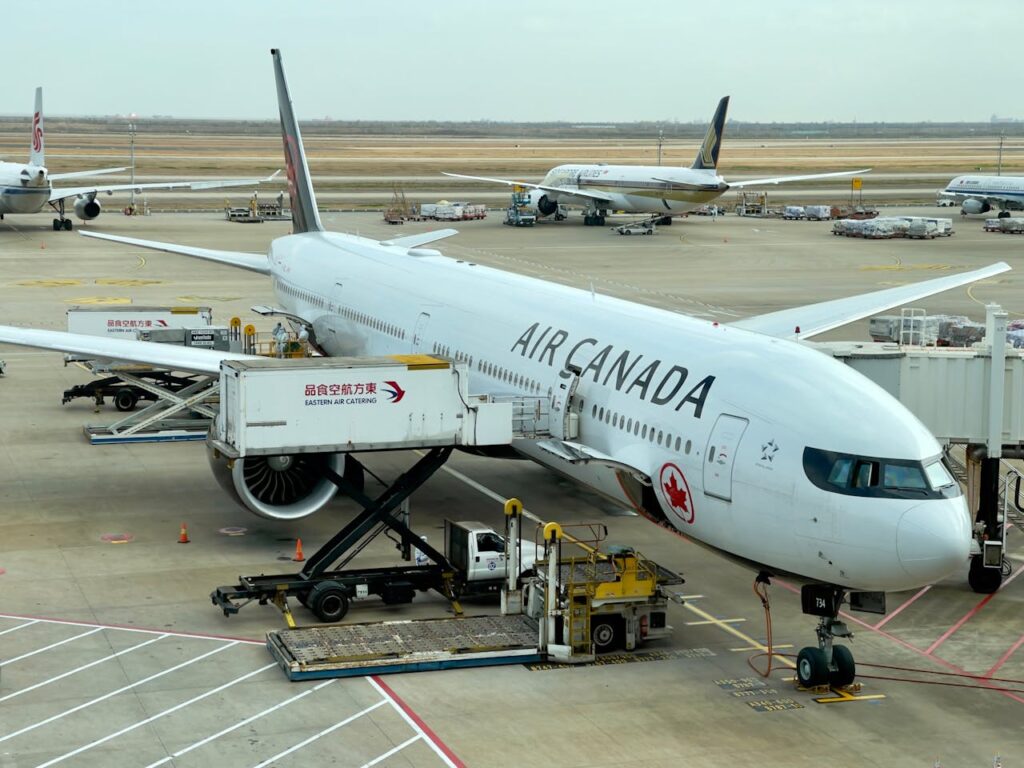
Air travel for human remains is handled through cargo services, not regular passenger systems. Each airline has its own procedures, and approvals must be secured in advance.
Timing is important. Flights are scheduled based on document readiness and availability. If anything is missing, transport may be delayed.
This stage is a key part of the international repatriation of human remains, as it connects documentation with physical movement.
Step Four: Arrival and Customs Clearance
Once the remains arrive in the destination country, customs clearance must take place before release.
In India, this involves presenting all required documents to the airport authorities. This step is part of the process of bringing a body back to India, and it must be handled carefully to avoid delays.
After clearance, the remains are released to the receiving party, which may be family or a local funeral provider.
Step Five: Final Coordination
After release, final arrangements can begin. This may include transportation to a funeral location or preparation for last rites.
Each case is different depending on location, timing, and family preferences. Understanding the full international repatriation of human remains process helps families stay prepared and avoid unnecessary complications.
Bringing It All Together
While the process may seem complex at first, it follows a clear structure. Documentation, preparation, transport, and clearance must be completed in the correct order.
For families managing international repatriation of human remains, especially when returning a loved one to India, careful coordination makes all the difference.
If you need assistance or guidance, Lotus Passage can help manage each step and ensure the process is handled properly from start to finish.