When a loved one dies abroad or needs to be returned to another country, families often hear the word “embalming” early in the planning process. This can create confusion, especially when different people provide different answers about whether it is legally required.
The important point is that embalming is not automatically required for every international repatriation. The answer may depend on the laws of the country where the death occurred, the requirements of the destination country, the airline or cargo carrier, the cause of death, and whether the remains will be buried, entombed, or cremated. Because requirements vary, families should confirm the specific rules before preparation begins.
What Does Embalming Mean in International Repatriation?
Embalming is a professional preservation process performed by a qualified funeral professional. It may help delay natural changes after death and can support certain viewing, transportation, or funeral arrangements. However, embalming is only one part of international repatriation. It does not replace required permits, certificates, identification procedures, approved packaging, or airline arrangements.
International transportation generally involves coordination among a local funeral home, an international repatriation provider, government authorities, consular officials where applicable, the receiving funeral home, and the airline or freight carrier. Each party may have a different responsibility, and the requirements must be considered together.
When Might Embalming Be Required?
Embalming may be required or strongly recommended in several situations, although the exact rule must be verified for the specific route.
- Destination-country regulations: Some countries may require remains to be embalmed before entry, while others may accept unembalmed remains if additional conditions are met.
- Local export requirements: The country where the death occurred may impose preparation or sanitary requirements before remains can leave the country.
- Airline or carrier policies: Airlines may require specific preparation, containers, documentation, or advance approval before accepting human remains as cargo.
- Length or complexity of the journey: Multiple connections, delays, storage periods, or limited local facilities may affect the recommended preparation method.
- Viewing or funeral plans: Families who plan a viewing at the destination may discuss embalming with the receiving funeral home, although cultural or religious preferences should also be respected.
The U.S. Department of State notes that a local government overseas may not permit unembalmed remains to be shipped, even though U.S. entry rules may allow them under certain conditions. This illustrates why families must check both the export and import requirements rather than relying on one country’s rules alone. ([travel.state.gov](https://travel.state.gov/content/travel/en/international-travel/while-abroad/death-abroad1.htmlwhile-abroad.html?utm_source=openai))
Is Embalming Always Required to Enter the United States?
No. For certain shipments entering the United States, embalming may not be required if the applicable conditions are satisfied. The Department of State explains that unembalmed remains may enter the United States when accompanied by an appropriate death certificate confirming that the cause of death was not a quarantinable communicable disease and when the remains are shipped in a leak-proof container.
However, this does not mean every unembalmed shipment will be accepted automatically. The country of departure may have different rules, and the airline, port authority, receiving funeral home, or state authorities may impose additional requirements. Families should also be aware that requirements may change depending on the cause of death.
The Centers for Disease Control and Prevention states that U.S. import requirements depend on factors such as whether remains have been embalmed or cremated, the purpose of importation, and whether the person died from an infectious disease. Non-cremated remains entering the United States must generally be fully contained in a leak-proof container, subject to the applicable exceptions and regulations. ([cdc.gov](https://cdc.gov/importation/human-remains/index.html?utm_source=openai))
How Does the Cause of Death Affect Preparation?
The cause of death can influence whether embalming is permitted, recommended, restricted, or required. If an infectious disease is involved, public health authorities may establish special handling, documentation, packaging, or transportation requirements.
Families should not assume that embalming is always the safest or legally appropriate option in these circumstances. The funeral director, medical examiner or coroner, health department, and relevant government authorities may need to provide direction. In some situations, cremation or sealed transport may be required or recommended.
Public health guidance emphasizes that human remains should be handled with appropriate precautions and that families may need clear instructions about viewing or physical contact when an infectious disease is involved. ([who.int](https://www.who.int/news-room/questions-and-answers/item/emergencies-management-of-dead-bodies?utm_source=openai))
What About Cremated Remains?
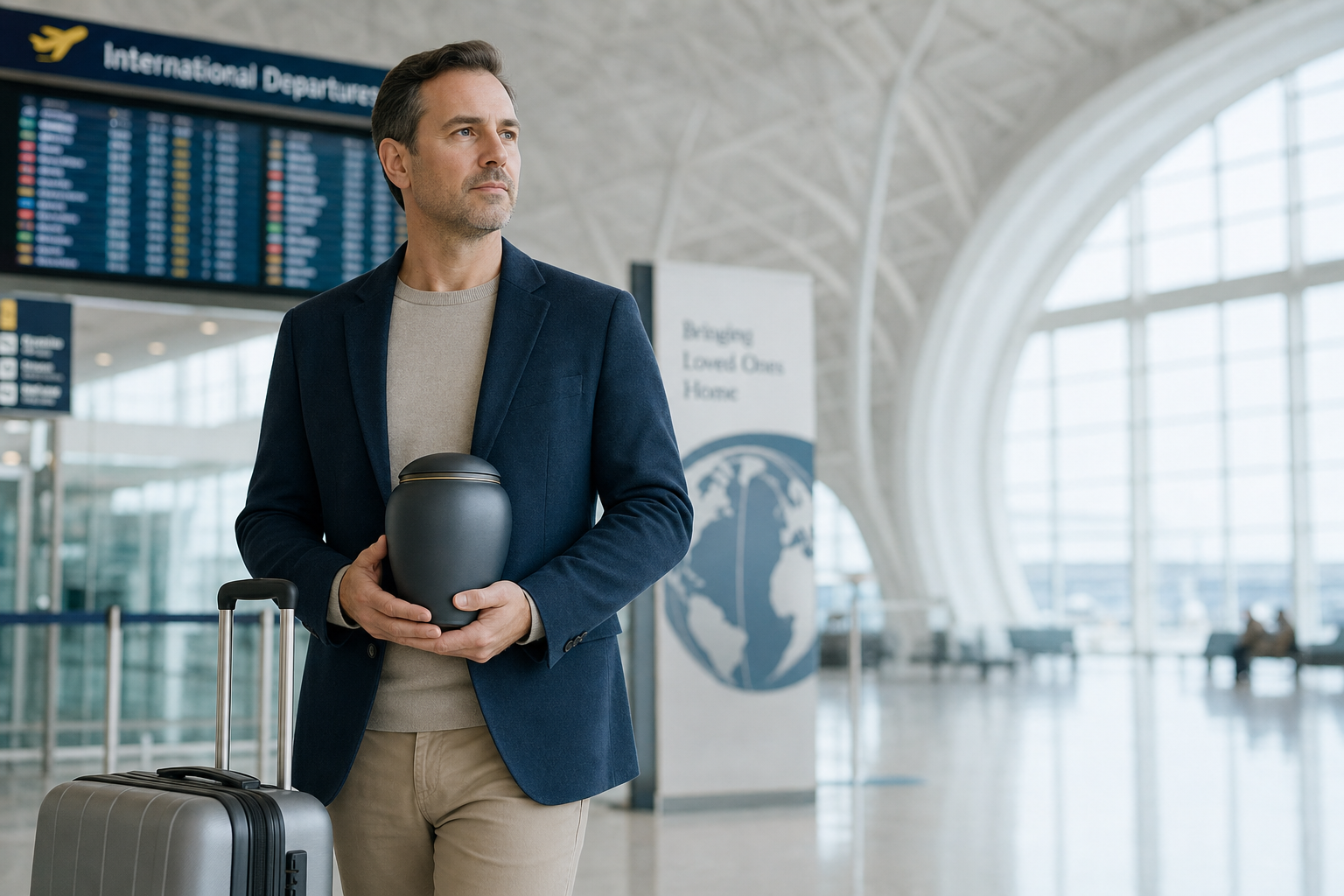
Embalming is not applicable to cremated remains. Once cremation has taken place, families usually work with the crematory, funeral home, airline, courier, or customs authorities to determine the appropriate urn, documentation, and transport method.
Airline requirements for carrying cremated remains as checked baggage, carry-on baggage, or cargo can differ. IATA advises travelers to verify requirements with the airline and funeral professional before travel. The urn may also need to be suitable for screening, and some materials can make inspection difficult.
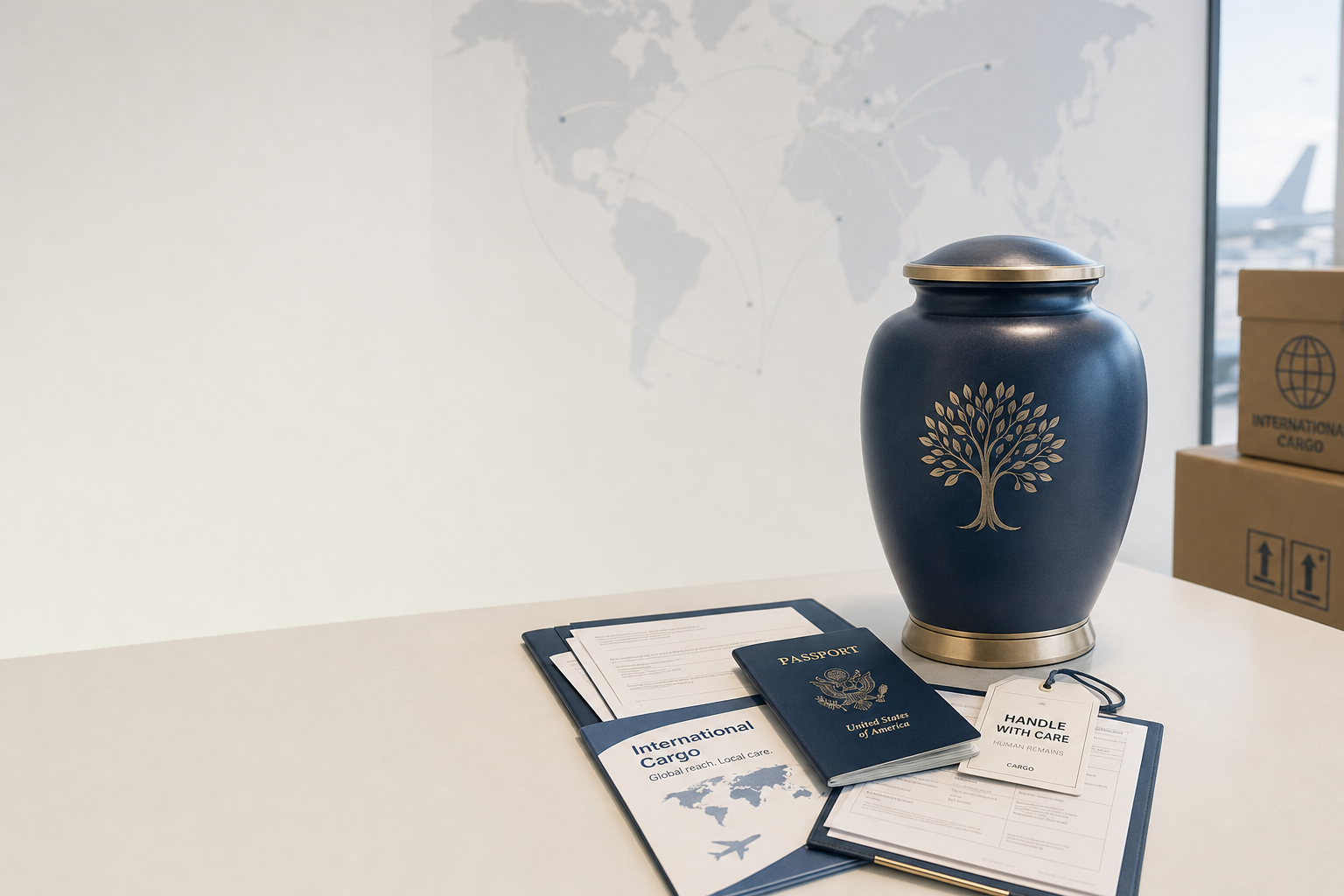
International shipment of cremated remains may still require documents such as a death certificate, cremation certificate, transit permit, consular paperwork, or destination-country authorization. Cremation can simplify certain preparation issues, but it does not eliminate the need to verify border and carrier requirements.
Why Proper Packaging Still Matters
Whether remains are embalmed or unembalmed, appropriate containment is essential. IATA identifies packaging, documentation, labeling, booking, and coordination among the key elements of air transportation for human remains. The carrier must receive accurate information before the shipment is accepted.
For shipments entering the United States, the CDC describes leak-proof and puncture-resistant containment as a public health safeguard designed to prevent exposure to blood and other body fluids during handling, storage, inspection, or transport. ([cdc.gov](https://cdc.gov/importation/human-remains/index.html?utm_source=openai))
Packaging requirements may include a sealed metal transfer case, an approved casket, or another container that meets the relevant regulations. The correct option depends on the route, the type of remains, the cause of death, and the carrier’s instructions.
Questions Families Should Ask Before Embalming
Before authorizing preparation, families may wish to ask the funeral home or repatriation specialist:
- Is embalming legally required by the country of departure or destination?
- Will the airline or freight carrier accept unembalmed remains?
- Does the cause of death create additional public health requirements?
- What container and sealing method are required?
- Will the receiving funeral home be able to accept the remains on arrival?
- Are there religious or cultural preferences that should guide preparation?
- Which documents must specifically state that embalming was completed, or that it was not required?
- Could a delay, connection, or change in routing affect the preparation requirements?
Written confirmation is especially valuable. Requirements can vary even between two destinations within the same region, and airline policies can change. IATA maintains guidance for funeral professionals, airlines, and freight forwarders because there is no single universal international procedure for every shipment. ([iata.org](https://www.iata.org/en/publications/manuals/compassionate-transportation-manual?utm_source=openai))
Frequently Asked Questions
Can a body be repatriated without embalming?
Sometimes. It depends on the laws of the departure and destination countries, the carrier’s policy, the cause of death, the packaging, and the required documents. A funeral professional must confirm whether unembalmed transport is permitted for the specific route.
Does embalming guarantee that a shipment will be accepted?
No. Embalming does not replace a death certificate, transit permit, consular document, approved container, airline booking, or other required paperwork. All parts of the shipment must meet the applicable rules.
Is embalming required when remains are being cremated after arrival?
Not necessarily. If the destination permits direct transport for cremation, embalming may not be required. However, local authorities, the airline, and the receiving crematory may have their own requirements.
Who makes the final decision about embalming?
The decision should be based on applicable legal, public health, carrier, and funeral requirements, while also considering the family’s wishes and religious or cultural practices. A licensed funeral professional can help identify which authorities need to be consulted.
Conclusion
Embalming for international repatriation is not a universal requirement. It may be necessary for one route but unnecessary for another, and the answer can change based on the cause of death, transportation method, destination rules, and funeral plans.
Families can reduce delays by asking for route-specific guidance before preparation begins. Confirm the requirements with the local funeral home, receiving funeral home, airline or cargo provider, consulate when applicable, and relevant health authorities. Careful coordination helps ensure that the arrangements respect the deceased, support the family, and comply with the laws governing international transportation.