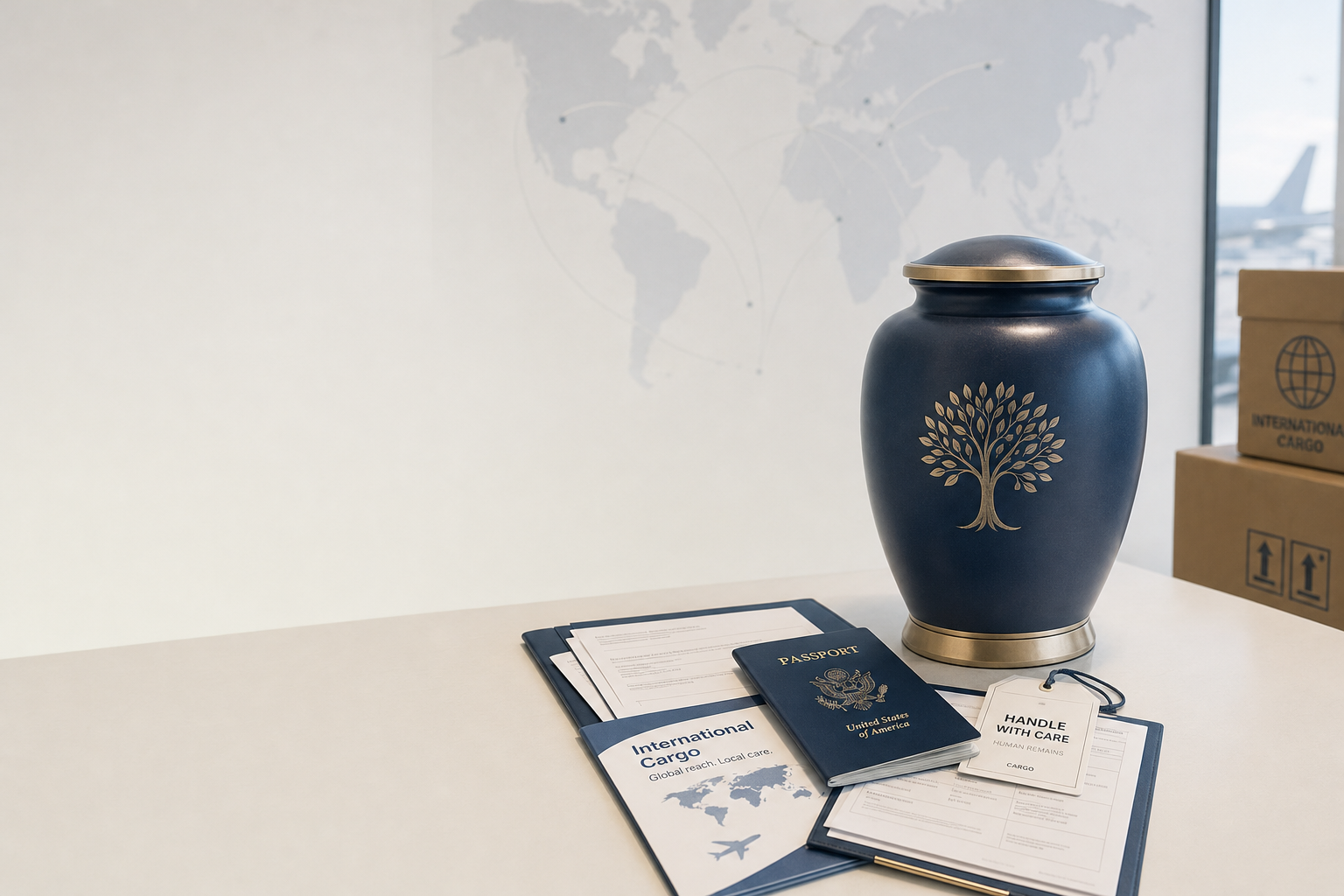
Choosing to bring a loved one back to India is often a deeply personal decision. For many families, it is about being close to home, honoring traditions, and completing final rites in a familiar place. Once that decision is made, the next question becomes how repatriation to India actually works.
The process involves several steps, and each one must be handled correctly. While it may seem complicated at first, it follows a clear path when broken down.
Step One: Starting With the Right Documents
Documentation is the foundation of the entire process. Without it, nothing can move forward.
The most common documents required include:
- Official death certificate
- Embalming certificate
- A passport copy of the deceased
- No-objection certificate from the Indian consulate
Understanding the documents required for repatriation to India early on can prevent delays later. Every detail must match across all paperwork, including names and dates.
The consulate plays an important role here. They review the documents and issue approval for transport into India.
Step Two: Consulate Coordination
The Indian consulate ensures that all requirements are met before the remains can be transported. This step is often where timelines depend on how quickly documents are prepared and submitted.
Families repatriating to India will need to stay in touch with the consulate or work through a service provider that handles this coordination.
Once the consulate issues approval, the process can move forward to the next stage.
Step Three: Preparing for Transport
Before travel, the remains must be prepared in accordance with international standards. This includes embalming and placement in an approved container suitable for air transport.
Airlines require strict compliance with their guidelines. For those transporting human remains to India, this means ensuring that both packaging and documentation meet airline and destination requirements.
Any mismatch between paperwork and preparation can lead to delays at the airport.
Step Four: Airline Booking and Departure
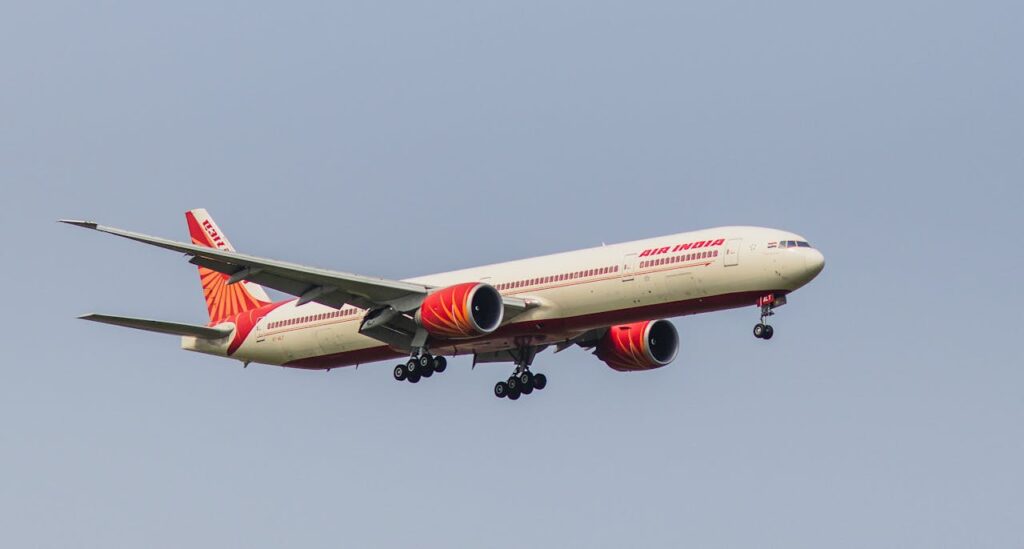
Human remains are transported through cargo services. Flights are arranged based on document readiness and availability.
Airline cargo teams review all documents before confirming the booking. This step connects preparation with the actual movement of the remains.
At this stage, families often begin to see how the full repatriation to India process comes together, with each step depending on the one before.
Step Five: Arrival and Clearance in India
Once the remains arrive in India, customs clearance must be completed. Authorities review all documents to ensure everything meets local regulations.
This step is part of the process of bringing a body back to India, and it must be handled carefully to avoid delays. After clearance, the remains are released to the family or a local funeral provider.
From there, final arrangements can proceed according to family traditions.
What Families Should Expect
The timeline for repatriation to India can vary depending on how quickly documents are issued and approved. In many cases, the process takes a few days, but delays can occur if paperwork is incomplete.
Families should also expect coordination across different parties, including hospitals, consulates, airlines, and customs authorities. Clear communication helps keep everything on track.
Moving Forward With Clarity
Handling arrangements across countries is never easy, but understanding the steps can make the process more manageable. Knowing what to expect allows families to make informed decisions without added stress. If you need support with repatriation to India, Lotus Passage can assist with documentation, transport, and coordination to ensure everything is handled properly.